Source Indoor Tissue Holder for Bathroom, Hotel, and Commercial Use
Compare 30 indoor tissue holder options from Guangdong manufacturers. Buyers can evaluate stainless steel and wood models with custom finishes for bathroom, hotel, or commercial applications.
Key considerations
Products List


Comprehensive Sourcing Guide
Indoor Tissue Holder Sourcing Guide
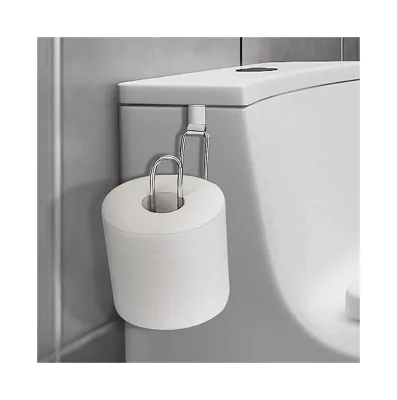
Sourcing indoor tissue holders requires a clear distinction between fixed wall-mounted units and freestanding variants, as the supply chain for each often involves different manufacturing processes and logistics. The observed market data indicates a strong presence of stainless steel models designed for bathroom environments, alongside wooden and leather options that serve broader household or commercial needs. Buyers must first determine the specific installation requirement, whether it is a no-drilling adhesive solution for rental properties or a robust brushed nickel unit for high-traffic hotel corridors.
The product landscape includes diverse configurations such as half-round and rectangular shapes, with some models featuring folding designs or dual-layer capacity for enhanced utility. While some listings highlight specific model numbers like G32 or KH001, the core functionality remains consistent across the category: providing a hygienic and accessible storage solution for tissue rolls. Procurement teams should prioritize suppliers who can demonstrate flexibility in customization, as the market shows a clear trend toward tailored finishes and branding for commercial clients.
Product Scope and Observed Listing Signals
The current market signals reveal a wide price variance, with observed listings ranging from $0.42 to $35, reflecting differences in material quality, finishing processes, and order volumes. Stainless steel models with brushed nickel finishes appear to occupy the mid-to-high end of this spectrum, offering durability for commercial use, while simpler designs in brown or black may cater to budget-conscious residential buyers. This price disparity underscores the importance of defining the exact material and finish requirements before engaging with suppliers to avoid misalignment between cost expectations and product reality.
Listing attributes frequently mention "Original brand" or "Customized" options, indicating that many manufacturers are prepared to handle OEM and ODM requests for branding and design modifications. The packaging data suggests a standard approach involving inner boxes and outer cartons, though some variations exist with poly bags or specific inner box types like Zookv. Buyers should verify if the "Single item" selling unit aligns with their inventory needs or if they require bulk packaging configurations to optimize shipping costs and reduce handling time at the destination.
Technical Specifications to Verify
Material composition is the primary technical differentiator, with stainless steel being the dominant choice for moisture-resistant bathroom applications, while wood and leather options serve decorative or dry-area purposes. Verification of the material grade is essential, as the "Stainless Steel" designation must be confirmed against specific alloy standards to ensure resistance to corrosion in humid environments. Additionally, the finishing process, such as brushed nickel or SSS/polish, must be inspected to guarantee a consistent aesthetic that matches the intended interior design scheme without showing fingerprints or water spots.
Installation mechanics vary significantly between models, with some units explicitly designed for "No Drilling" using adhesive technology, while others require permanent mounting. Buyers must confirm the "Stype" classification, distinguishing between under-shed and side-shed configurations, as this dictates the spatial footprint and accessibility of the holder. The physical dimensions, such as the medium size or specific measurements like 14.3 x 4.5 x 2.2 inches, should be cross-referenced with the available wall space or floor area to ensure a proper fit without obstructing other fixtures.
Compliance and Safety Documentation
Certification status is a critical factor for commercial procurement, with suppliers often providing documentation for BSCI, Sedex, ISO9001, and Reach standards. These certifications indicate adherence to social compliance, quality management systems, and chemical safety regulations, which are particularly important for products destined for European and North American markets. Buyers should request valid, up-to-date certificates for each batch to ensure that the manufacturing facility maintains the required ethical and safety standards throughout the production process.
Product standards also encompass physical safety and durability, which are often implied through the "Customized" standard designation or specific model specifications. For items intended for public use in hotels or commercial spaces, verifying that the product meets local building codes regarding fire resistance and structural integrity is mandatory. The absence of specific test results in general listings means that buyers must explicitly request third-party testing reports for load-bearing capacity and material safety before finalizing large orders.
Cost Drivers and Commercial Terms
The minimum order quantity (MOQ) is a significant cost driver, with observed ranges spanning from 1 unit to 1000 pieces, heavily influencing the unit price and overall procurement strategy. High-volume orders typically unlock lower per-unit costs, but the 1000-piece MOQ threshold may be prohibitive for small businesses or trial orders, necessitating a negotiation strategy that balances volume discounts with inventory risk. Buyers should clarify whether the supplier offers tiered pricing structures that allow for smaller initial orders with a commitment to larger volumes in subsequent shipments.
Lead times and delivery schedules vary from 7 to 35 days for standard production, with some suppliers citing a 4-5 week window for customized orders. These timelines are influenced by the complexity of the finishing process, such as brushed nickel application, and the availability of raw materials like stainless steel or wood. Procurement planners must account for these lead times when scheduling inventory replenishment, especially for seasonal peaks or new product launches, to prevent stockouts that could disrupt operations in hotels or commercial facilities.
Supplier Qualification and Quality Control
Supplier background checks should focus on the "Company Type" designation, with many manufacturers claiming over 20 years of experience in both manufacturing and exporting. This longevity often correlates with a mature supply chain and established quality control protocols, but buyers must verify these claims through site audits or third-party assessments. The "Main Market" data, which includes Europe, North America, Australia, and Asia, suggests that experienced suppliers are accustomed to diverse regulatory environments and can navigate the complexities of international trade compliance.
Quality control procedures must be explicitly defined in the contract, covering everything from raw material inspection to final packaging checks. The "Sample Time" of 5-7 days provides an opportunity for buyers to evaluate the physical quality of the product, including the finish, adhesive strength, and overall assembly, before committing to a full production run. Establishing a clear acceptance criteria based on these samples is essential to ensure that the mass-produced units meet the same standards as the pre-production prototype.
Long-Term Procurement Checks
Sustainability and supply chain resilience are becoming increasingly important for long-term partnerships, requiring buyers to monitor the supplier's ability to maintain consistent quality over time. The "Service" offerings of OEM and ODM indicate a capacity for innovation, but buyers should regularly review the supplier's ability to adapt to changing market demands and material availability. Continuous communication regarding production updates and potential disruptions ensures that the procurement strategy remains agile and responsive to external factors.
Post-delivery performance monitoring is crucial for maintaining the integrity of the product line, particularly for items used in high-traffic commercial environments. Buyers should establish a feedback loop to track issues such as finish degradation, adhesive failure, or structural weaknesses that may not be apparent during the initial sample phase. Regular audits of the supplier's quality control records and customer satisfaction metrics will help identify any systemic issues early, allowing for corrective actions before they impact the broader supply chain.
FAQs
What materials are used for indoor tissue holders?
Indoor tissue holders are commonly crafted from stainless steel or leather. Stainless steel options often feature a brushed nickel finish for durability and a modern aesthetic. Leather variants provide a softer, textured look suitable for specific interior designs. These materials ensure longevity and resistance to daily wear in bathroom or commercial settings.
Can indoor tissue holders be customized for branding?
Yes, customization is available for indoor tissue holders. Manufacturers offer OEM and ODM services to tailor products to specific brand requirements. Buyers can request custom specifications, packaging, or design modifications. This flexibility allows businesses to align the tissue holders with their unique aesthetic or functional needs for hotels or commercial spaces.
What certifications do indoor tissue holder manufacturers hold?
Reputable manufacturers often hold certifications such as BSCI, Sedex, ISO9001, and Reach. These certifications indicate adherence to quality management, social responsibility, and safety standards. Buyers can verify these credentials to ensure ethical sourcing and product reliability. Such documentation is crucial for international trade and meeting regulatory requirements in target markets.
How long is the delivery time for indoor tissue holders?
Delivery times typically range from 7 to 35 days around, depending on order volume and customization. Sample production usually takes 5 to 7 days. Bulk orders may require 4 to 5 weeks for completion and shipping. Buyers should confirm specific lead times with suppliers to align with their project schedules and inventory planning needs.
What is the minimum order quantity for indoor tissue holders?
The minimum order quantity varies by supplier but often starts at 1000 pieces. Some vendors may accept lower MOQs for standard items, while customized orders typically require higher volumes. Buyers should check specific supplier requirements to determine feasibility. Understanding MOQs helps in budgeting and planning inventory levels for retail or commercial distribution channels.
Where are indoor tissue holders primarily manufactured?
Indoor tissue holders are primarily manufactured in Guangdong, China, with specific origins in Foshan. This region is known for its robust manufacturing infrastructure and export capabilities. Buyers sourcing from this location benefit from established supply chains and competitive pricing. The concentration of manufacturers facilitates efficient logistics and consistent product quality for global distribution.